

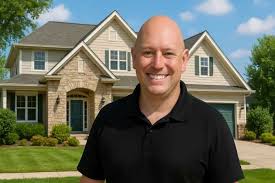
A buyer looking just outside Greenbrier found a $365,000 home and expected to need a down payment they did not have. On a USDA-eligible property, that same buyer could finance 100% of the purchase price, which can mean keeping more cash for repairs, moving costs, and reserves. Over five years, preserving even $12,000 to $15,000 in upfront cash can change the whole picture for a household trying to buy in Chesapeake without draining savings.
If you are searching for a Chesapeake USDA loan lender, the first thing to know is that USDA loans are less about the city name in the search and more about the property address, household income, and the broker you choose to guide the file. In Chesapeake, that matters because some neighborhoods feel suburban but may not qualify, while outer areas near Hickory, Great Bridge outskirts, or portions closer to the city edges may be worth a closer eligibility check.
Table of Contents
- What a Chesapeake USDA loan lender actually does
- Where USDA eligibility gets tricky in Chesapeake
- Income, credit, and property standards
- Costs, rates, and monthly payment math
- How to compare Chesapeake mortgage brokers
- When USDA is a strong fit and when it is not
- Final questions to ask before you apply
What a Chesapeake USDA loan lender actually does
A USDA transaction lives or dies on details. A good broker is checking maps, income calculations, debt ratios, and property condition early, before you waste time on a home that cannot clear the program. That is especially useful in a market like Chesapeake, where buyers often cross-shop between city-style neighborhoods and fringe areas with more land.
USDA loans are designed for eligible rural and some suburban areas, and the program allows up to 100% financing for qualified borrowers. That makes them attractive for first-time buyers, but the best Chesapeake USDA loan lender is not simply the one advertising zero down the loudest. It is the broker who can tell you whether the address qualifies, whether your household income fits the limit, and whether your credit profile supports a clean approval.
In practice, that means reviewing pay structure, overtime, bonus history, and debt before you write offers. If you are self-employed or have variable income, USDA can still work, but the file usually needs more careful documentation than a straightforward W-2 borrower.
Where USDA eligibility gets tricky in Chesapeake
Chesapeake is not a simple yes-or-no USDA map. Some areas are too densely built or too central to qualify, while others on the outer edges may remain eligible. Buyers looking near Hickory, southern Chesapeake, or lower-density stretches outside the busier corridors often have more opportunity than buyers targeting deeply built-in sections closer to major retail and commuter hubs.
This is why a property search based only on listing photos can backfire. A home can look rural and miss USDA eligibility, or look suburban and still qualify. The only reliable test is the official property check tied to the address.
Local pricing also matters. According to Zillow, the typical home value in Chesapeake is roughly in the mid-$390,000s, which means USDA can help bridge the gap for buyers who have income but not a large down payment. At the county level, Chesapeake city housing values tend to run above many rural Virginia markets, so affordability is not automatic just because the program offers 100% financing.
Inventory has also stayed competitive in many Chesapeake segments, especially for clean, well-maintained homes priced for first-time buyers. When inventory is tight, a USDA buyer needs a broker who can move quickly on preapproval and communicate clearly with the listing side.
Income, credit, and property standards
USDA is not a low-document loan and it is not a broad catch-all program. Household income limits apply, and that includes certain income from other adults in the home, even if they are not on the loan. This is where borrowers get surprised.
Credit standards vary by file, but many borrowers become more competitive with scores of 640 or higher because underwriting and automated approvals are often smoother there. Lower scores can still be possible, but the file may require more scrutiny, stronger compensating factors, or additional documentation.
The property also has to meet condition standards. USDA is meant for primary residences, not second homes or investment property. The home needs safe access, adequate utilities, and overall livability. Cosmetic flaws are one thing. Major issues with roofing, structural integrity, or utilities are another.
For buyers comparing options, USDA is often cross-shopped with FHA and conventional financing. If you have a modest down payment and stronger credit, conventional may compete well. If your score is lower or the property falls outside USDA boundaries, FHA may be more realistic. That is why the right Chesapeake USDA loan lender usually acts more like an advisor than a rate quote machine.
Costs, rates, and monthly payment math
USDA loans avoid a down payment requirement, but that does not mean the transaction is free. Closing costs still apply, and buyers in Chesapeake should expect a range that often lands around 2% to 5% of the purchase price depending on taxes, insurance escrows, title work, and lender-side fees. There is also a USDA guarantee fee structure to account for, including an upfront fee that is commonly financed into the loan amount and an annual fee paid monthly.
Here is a simple example. On a $350,000 purchase with 100% financing, a buyer might finance the upfront guarantee fee and end up with a final loan amount slightly above the base price. If the rate is competitive and the seller contributes toward allowable closing costs, the buyer can preserve cash, but the monthly payment still needs to work with taxes, homeowners insurance, and the annual USDA fee.
That is why rate shopping needs context. A slightly lower interest rate with higher fees is not always the better deal. The strongest brokers explain the trade-off clearly instead of pushing a headline rate with no math behind it.
How to compare Chesapeake mortgage brokers
If you are comparing brokers in Chesapeake, do not stop at online reviews or ad copy. Ask how often they close USDA loans, how they verify property eligibility, and how they handle income calculations for households with multiple earners. Those questions tell you more than a flashy website.
You should also ask how they communicate with listing agents in competitive situations. In neighborhoods near Great Bridge or homes on the edge of Chesapeake and nearby rural corridors, speed and clarity matter. A weak preapproval letter or slow response time can cost you a house.
A careful broker will also explain when USDA is not your best fit. If you are over income, buying in a non-eligible tract, or have enough for a down payment that opens better conventional pricing, forcing USDA may be the wrong move.
When USDA is a strong fit and when it is not
USDA tends to work best for borrowers who want to buy a primary residence, have stable income, want to minimize upfront cash, and are open to eligible areas rather than one hyper-specific neighborhood. It is especially useful for households who have good monthly income but have not built a large savings cushion yet.
It may be less ideal if your target area in Chesapeake is unlikely to qualify, your total household income pushes above limits, or your property needs significant repairs. In those cases, FHA, conventional, or even a different property search strategy may make more sense.
That is also why broad searches for a Chesapeake USDA loan lender can be misleading. USDA is a niche product. You do not need the loudest advertiser. You need the broker who can tell you quickly whether the plan is workable and what your second-best path looks like if it is not.
Final questions to ask before you apply
Before moving forward, ask whether the exact address is USDA-eligible, what your household income limit is, how much seller credit may be allowed toward closing costs, and what score range gives you the best approval odds. Also ask for a full payment estimate, not just principal and interest.
A smart buyer should understand taxes, insurance, guarantee fees, and cash needed at closing before writing an offer. That is the difference between a program that looks attractive online and one that actually gets you to the closing table.
If you are looking in Chesapeake, Hickory, or the outer edges near Great Bridge, USDA can be a strong option. But it only works when the map, the income, the property, and the file all line up. The right broker will tell you that plainly and early, which is exactly what you want before you spend time chasing the wrong house.

